VAT & Policy
VAT on Solar Panels: What the April 2027 Change Means
2 November 2026 · 4 min read
VAT on solar panels is set to rise from 0% to 5% in April 2027. Find out what the deadline means for home installations, batteries and business plans.
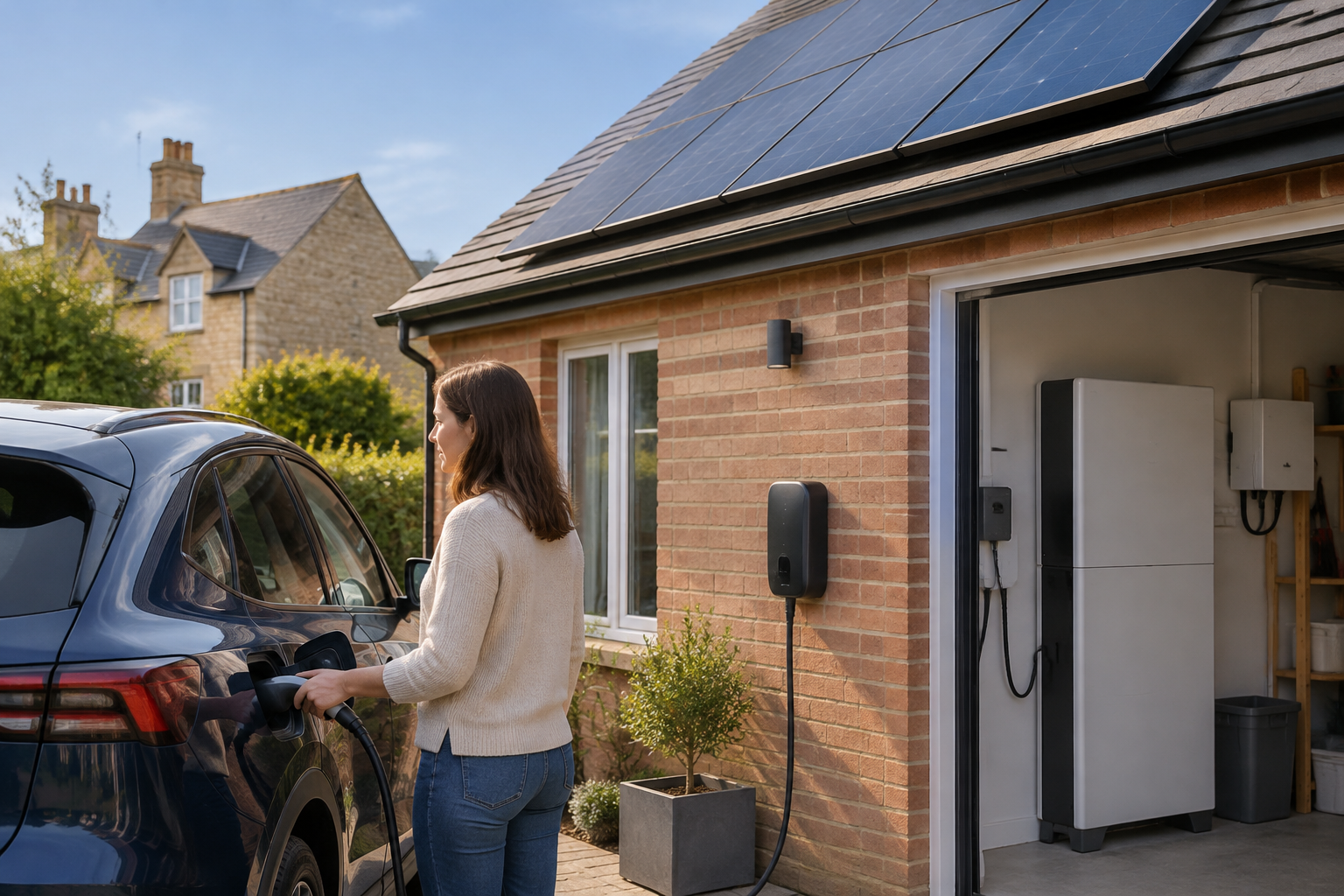
Image: AI-generated editorial illustration, not a photograph of our work.
VAT on solar panels: a deadline worth planning around
For households considering solar, this week's clearest planning signal is the approaching end of the temporary zero VAT rate. Under the current timetable, qualifying installations of solar panels and battery storage in residential accommodation benefit from 0% VAT until 31 March 2027. From 1 April 2027, the rate is scheduled to become 5%.
As of 2 November, that leaves roughly five months before the scheduled change. It is a reason to start comparing options, not a reason to accept a rushed proposal. The right system still needs to suit your roof, electricity use and budget. Businesses should also take notice, but the residential relief must not be confused with the VAT treatment of a typical commercial solar installation.
What does 0% VAT on solar actually cover?
The relief applies to qualifying installations of energy-saving materials in residential accommodation. For solar, that generally means the installation service and equipment supplied as part of it, rather than panels bought separately for DIY installation. Eligibility depends on the nature of the work and the property, so a quote should clearly explain the VAT treatment being applied.
Battery storage VAT is relevant too. Qualifying residential battery installations can currently receive the zero rate, including standalone installations and batteries added to existing home solar panels. You do not necessarily need to buy a new PV system at the same time. However, do not assume every item in a wider home-energy project has the same treatment: EV charging equipment, roof repairs and other associated work may need separate consideration.
How the change could affect solar panel costs
If the underlying price of an eligible installation stayed unchanged, moving from zero VAT to 5% would increase the final price by 5%. That is a tax comparison, not a prediction of what installers will charge next spring. Equipment prices, labour, scaffolding and the complexity of the work can all affect solar panel costs independently of VAT.
Compare itemised, like-for-like proposals rather than headline discounts. A cheaper system is not automatically better value if its design is poorly matched to your consumption or important work is excluded. Ask each installer to make the following points clear:
- The equipment, usable battery capacity and installation work included.
- The VAT rate applied and any items treated differently.
- Assumptions behind generation estimates and projected bill savings.
- What happens to the price if the project timetable changes.
Booking early is not the same as securing a VAT rate
A signed quotation or reserved installation slot should not be treated as an automatic guarantee of zero VAT. VAT accounting follows tax-point rules, which can involve payments, invoices and when supplies are made. Projects spanning a rate change can require particular care. Ask for written confirmation of how your installer will handle the change, and seek tax advice where necessary.
Allow time for a survey, system design and any permissions or network processes your project needs. Roof condition, access and electrical work can also influence the schedule. There is no need to assume that every installation will face delays, but leaving all decisions until March reduces your flexibility. Most importantly, do not let a tax deadline replace sensible checks on workmanship, warranties and aftercare.
What homeowners and businesses should prioritise
For households, the strongest starting point is how much solar electricity you can use on site. Daytime appliances, an EV and other electrical demand can influence the design. Solar battery storage can shift some generation into the evening, but it adds cost and should be assessed against your consumption, tariff and likely usage. VAT relief alone does not make every battery worthwhile.
For commercial solar panels, do not assume the residential zero rate applies to an office, warehouse or factory. Commercial installations are generally standard-rated, while VAT recovery depends on the customer's VAT status and business activities. Mixed-use premises need particular attention. Businesses should assess daytime demand, roof suitability, ownership or lease permissions and the full project cost. Your accountant can advise on VAT recovery; your installer should explain the technical and energy-saving assumptions.
How Solar Pro Solutions can help
With more than 20 years' experience, Solar Pro Solutions helps homeowners and businesses plan solar PV, battery storage, EV charging and maintenance. We can assess your property and electricity use, explain suitable options and provide a clear proposal showing the scope of work and applicable VAT.
If you are considering a solar installation before April 2027, start with a survey and a realistic timetable. The aim is not simply to beat a deadline, but to choose a well-designed system that supports your energy needs for years to come.
Want advice on your own system?
Talk to a team that has spent two decades designing, installing and repairing solar across the UK.
Get a QuoteMore articles
Batteries & EV
Vehicle-to-Home Charging: Can Your EV Power Your House?
Vehicle-to-home charging promises backup power, but battery size is only part of the story. Here is what UK solar buyers should check before investing.
VAT & Policy
Plug-in Solar UK: What Buyers Should Check Before Buying
Plug-in solar UK launches could give buyers another option. Here is what homeowners and businesses should check on safety, savings, batteries and VAT.
Batteries & EV
Home EV Charging: Can Solar Help Deliver EDF's Claimed Savings?
Home EV charging could cut fuel costs, EDF says. Explore how solar, batteries and the right tariff can help, and what to check before you invest at home.