Batteries & EV
Vehicle-to-Home Charging: Can Your EV Power Your House?
26 October 2026 · 4 min read
Vehicle-to-home charging promises backup power, but battery size is only part of the story. Here is what UK solar buyers should check before investing.
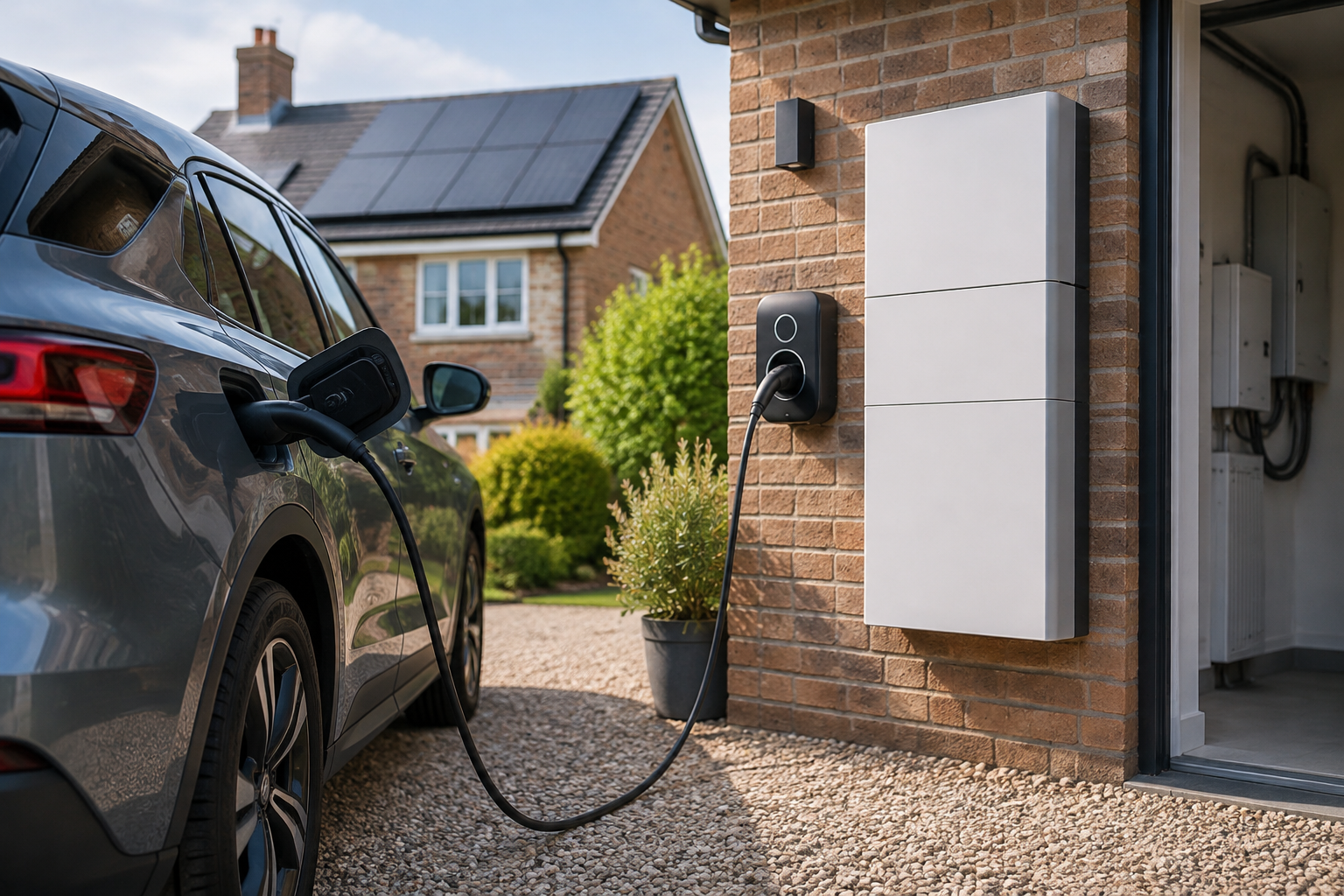
Image: AI-generated editorial illustration, not a photograph of our work.
The EV battery story with a lesson for solar buyers
Can a large electric car battery keep your house running? A 23 October headline from The Cool Down describes a Kia owner expecting an 80-kWh EV battery to power a home, only for a kettle to challenge that assumption. Without the vehicle and equipment specifications, it would be wrong to treat this as a verdict on Kia or on bidirectional charging.
But the underlying question matters for anyone considering solar panels and battery storage. A battery’s energy capacity does not tell you how much power it can deliver at once, which appliances it can support or whether it can connect safely to a building.
Vehicle-to-home charging could make an EV part of a property’s energy system. However, a large battery on the driveway is not automatically a substitute for dedicated solar battery storage.
Battery capacity and power output are different
Kilowatt-hours, written as kWh, measure stored energy. Kilowatts, or kW, measure the rate at which electricity is supplied or consumed. Think of capacity as the amount of water in a tank and power output as how quickly it can flow through the outlet.
A kettle needs substantial power for a short time. Even a well-charged battery may be unable to run it if the available outlet or inverter cannot supply enough power. Running several appliances together adds to that demand. This distinction applies to EVs and home batteries alike.
When comparing systems, look beyond the headline capacity. Usable energy, continuous output and short-duration surge capability are separate specifications. A suitable design starts with the appliances you want to run and when you use them, rather than simply choosing the biggest battery.
Vehicle-to-load is not vehicle-to-home charging
Several technologies are often grouped together under the idea of using an EV as a battery. They do different jobs, and support for one does not establish compatibility with another.
- Vehicle-to-load, or V2L, supplies suitable appliances through a supported vehicle outlet or adaptor, within its rated limits. It does not by itself provide a connection to a home’s electrical circuits.
- Vehicle-to-home, or V2H, supplies a property through compatible equipment and an appropriately designed electrical installation. Backup operation depends on the system’s capabilities.
- Vehicle-to-grid, or V2G, allows electricity to flow back to the grid through compatible equipment and an applicable connection and commercial arrangement.
Home battery backup needs a complete system
Bidirectional EV charging requires compatibility across the vehicle, charger, control equipment and property installation. A conventional EV charger installation should not be assumed to support power flowing from the car into the building. Ask for confirmation of the supported functions, not just a broad claim that equipment is future-ready.
The same caution applies to home battery backup. Standard grid-connected solar PV shuts down during a power cut for safety. A solar-and-battery installation only provides outage power if it includes suitable backup functionality and arrangements to isolate the backed-up circuits from the grid. Some systems support selected circuits rather than the whole property.
Never try to feed a vehicle outlet into a household socket. Have a qualified installer assess electrical protection, any network requirements and the loads you want supported. Also check whether the proposed system can replenish its battery from solar during an outage, rather than assuming it can.
What makes financial sense for homes and businesses?
For homeowners, the question is whether the car will be connected when stored electricity is needed. An EV away during sunny hours cannot directly absorb that afternoon’s surplus solar at home. Using its battery overnight also needs to leave enough charge for the next journey.
Compare the installed costs and likely operation of each option. Solar battery storage can shift surplus generation into later hours, but savings depend on consumption, import prices, export payments, conversion losses and system cost. Storing electricity means giving up the payment you could otherwise receive for exporting it. Check vehicle warranty conditions and any restrictions on bidirectional use.
Businesses should assess vehicle schedules just as carefully. Fleet batteries may be unavailable during working hours, while commercial battery storage stays on site. For premises with substantial daytime demand, directly using solar generation may be the simplest starting point. Neither a large EV battery nor a stationary battery guarantees a worthwhile return without matching it to the site’s electricity use.
How Solar Pro Solutions can help
With more than 20 years’ experience, Solar Pro Solutions helps homeowners and businesses assess solar PV, battery storage, EV charging and maintenance. We can review your electricity use, charging needs and backup priorities to recommend a practical system. Before treating an EV as a home battery, talk to us about the capabilities your installation actually needs.
Want advice on your own system?
Talk to a team that has spent two decades designing, installing and repairing solar across the UK.
Get a QuoteMore articles
VAT & Policy
Plug-in Solar UK: What Buyers Should Check Before Buying
Plug-in solar UK launches could give buyers another option. Here is what homeowners and businesses should check on safety, savings, batteries and VAT.
Batteries & EV
Home EV Charging: Can Solar Help Deliver EDF's Claimed Savings?
Home EV charging could cut fuel costs, EDF says. Explore how solar, batteries and the right tariff can help, and what to check before you invest at home.
Business Energy
Electricity Cost Relief: What Manufacturers Should Check
Electricity cost relief applications are open for manufacturers. Here is what the news means for business energy costs, commercial solar and batteries.